Anton Lembede
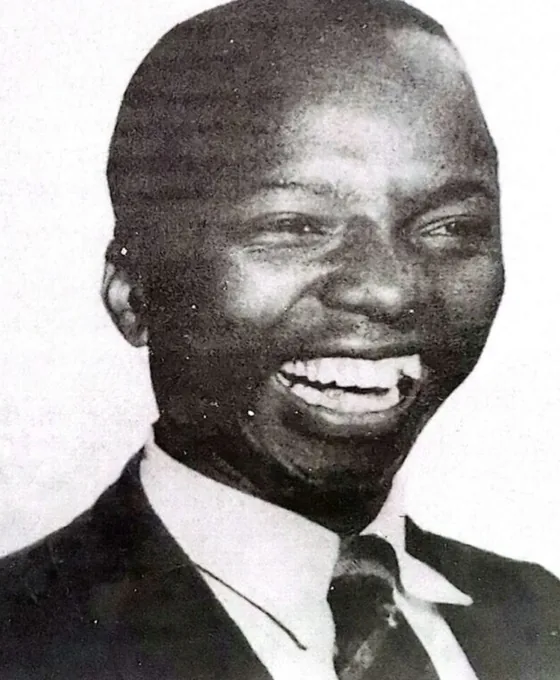
A lawyer and intellectual, Lembede became the first elected president of the Youth League on 10 September 1944. He was closely involved in drafting the founding manifesto and in shaping the League’s early African nationalist outlook.
From the 1944 founding generation, through repression and banning, to the 1991 relaunch and the contemporary League.
The ANC Youth League emerged from debates in the early 1940s about the need to organise young people and bring greater energy to the ANC. It was formally established in Johannesburg in 1944, with Anton Lembede elected as its first president in September that year.
The early League helped develop the Programme of Action adopted by the ANC in 1949. During the 1950s, Youth League leaders participated in major campaigns while repeated banning orders disrupted normal national leadership succession.
After the banning of the ANC in 1960, the Youth League could no longer operate openly in South Africa. Youth organisation continued through other formations inside the country and through ANC youth and student structures in exile. Following the unbanning of the ANC in 1990, the League was re-established and held its relaunch congress in 1991.
Profiles include elected presidents and acting presidential leadership documented during periods when banning orders disrupted the organisation.

A lawyer and intellectual, Lembede became the first elected president of the Youth League on 10 September 1944. He was closely involved in drafting the founding manifesto and in shaping the League’s early African nationalist outlook.
Following Lembede’s death in 1947, Ashby Peter Solomzi Mda served as acting president and was formally elected in 1948. Under his leadership the League advanced the Programme of Action that became central to the ANC’s 1949 shift in strategy.
Pitje helped establish the Youth League at Fort Hare. He succeeded Mda in 1949 and served until 1951, later becoming a lawyer and founding president of the Black Lawyers Association.

Mandela was part of the founding Youth League generation and served on its first executive. He succeeded Pitje as national president in 1951 during a period of expanding mass mobilisation and the Defiance Campaign era.
Matthews had served as national secretary of the Youth League during the Defiance Campaign. He was elected national president in the early 1950s and was subjected to banning restrictions soon afterwards.
Resha, then a leading Transvaal Youth League figure, assumed acting national presidential responsibilities in 1954 and 1955 while Joe Matthews was restricted by banning orders.
Molaoa served in Youth League leadership in the Transvaal before being elected national president in July 1959. He later joined the armed struggle and was killed in 1968 during operations in then Rhodesia.

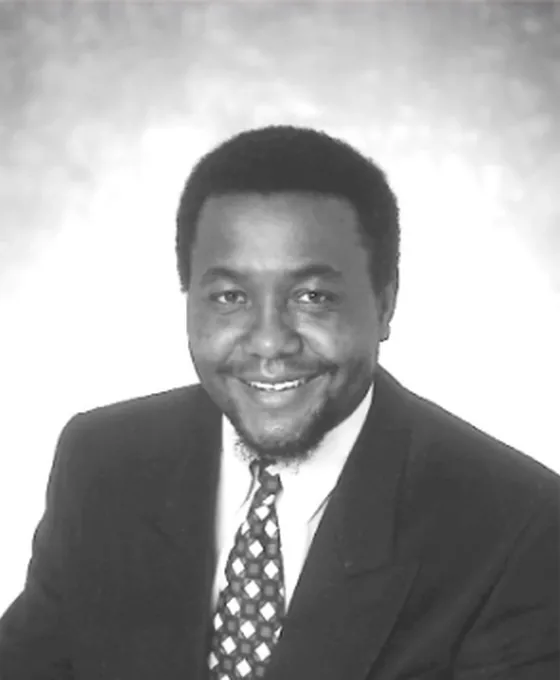
Mokaba had led the South African Youth Congress and became president of the re-established ANC Youth League after its 1991 relaunch. His term bridged the transition from unbanning to the period immediately before the 1994 democratic election.
Johnson succeeded Peter Mokaba in 1994. His term covered the first years of democratic government and the League’s transition into a new constitutional and political environment.

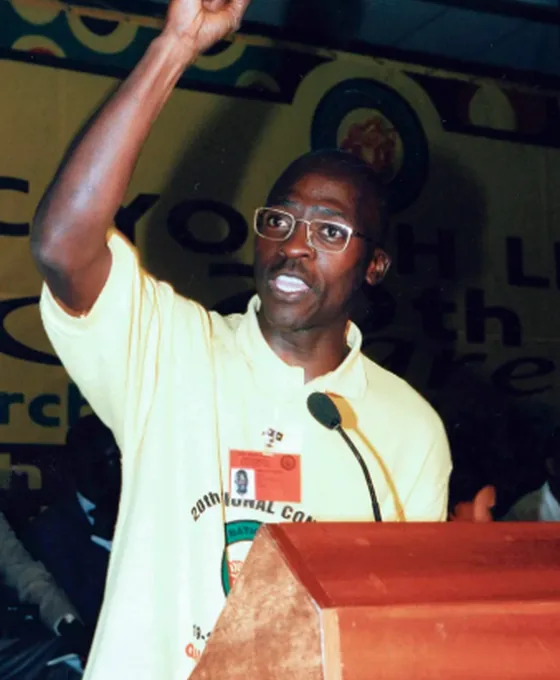
Gigaba was elected president in 1996 and was re-elected in 1998 and 2001, becoming the first ANCYL president to serve three consecutive terms.

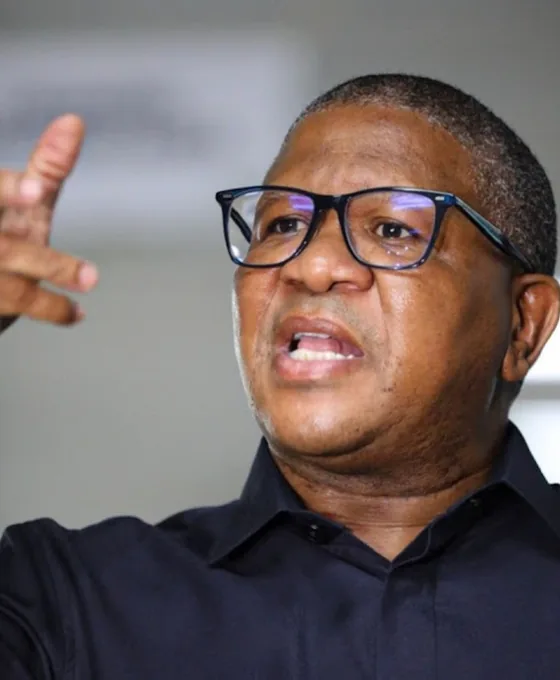
Mbalula, previously the League’s secretary-general, was elected president in 2004 and served until 2008.

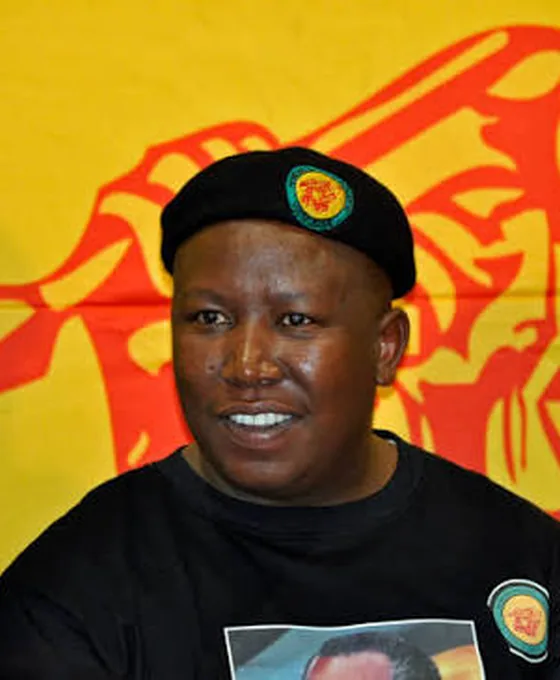
Malema was elected president in 2008. His presidency ended in 2012 after disciplinary proceedings resulted in his expulsion from the ANC and the consequent loss of his ANCYL office.
Maine was elected president at the 25th National Congress in September 2015. The national executive elected in 2015 was disbanded in 2019 after its mandate had ended.

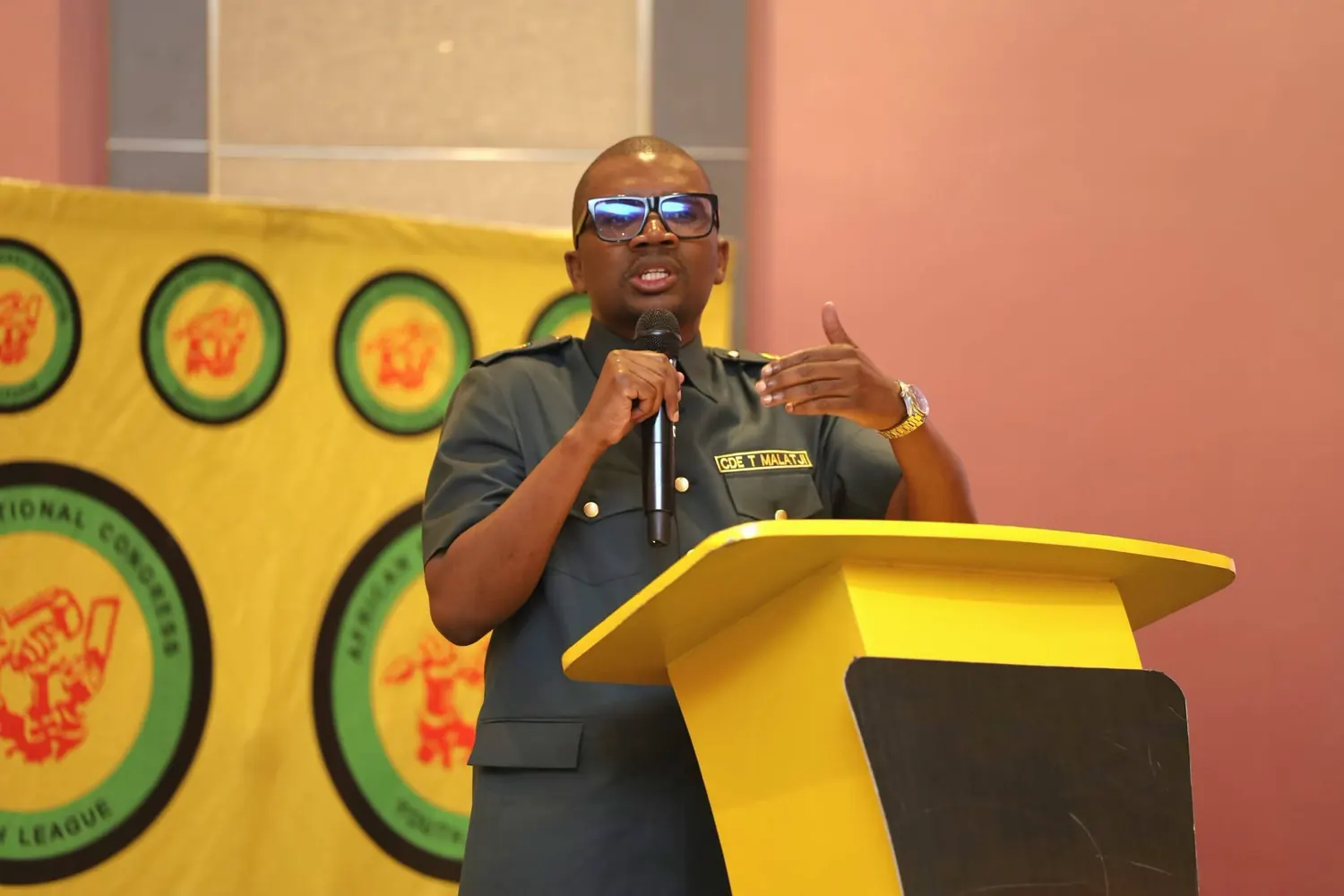
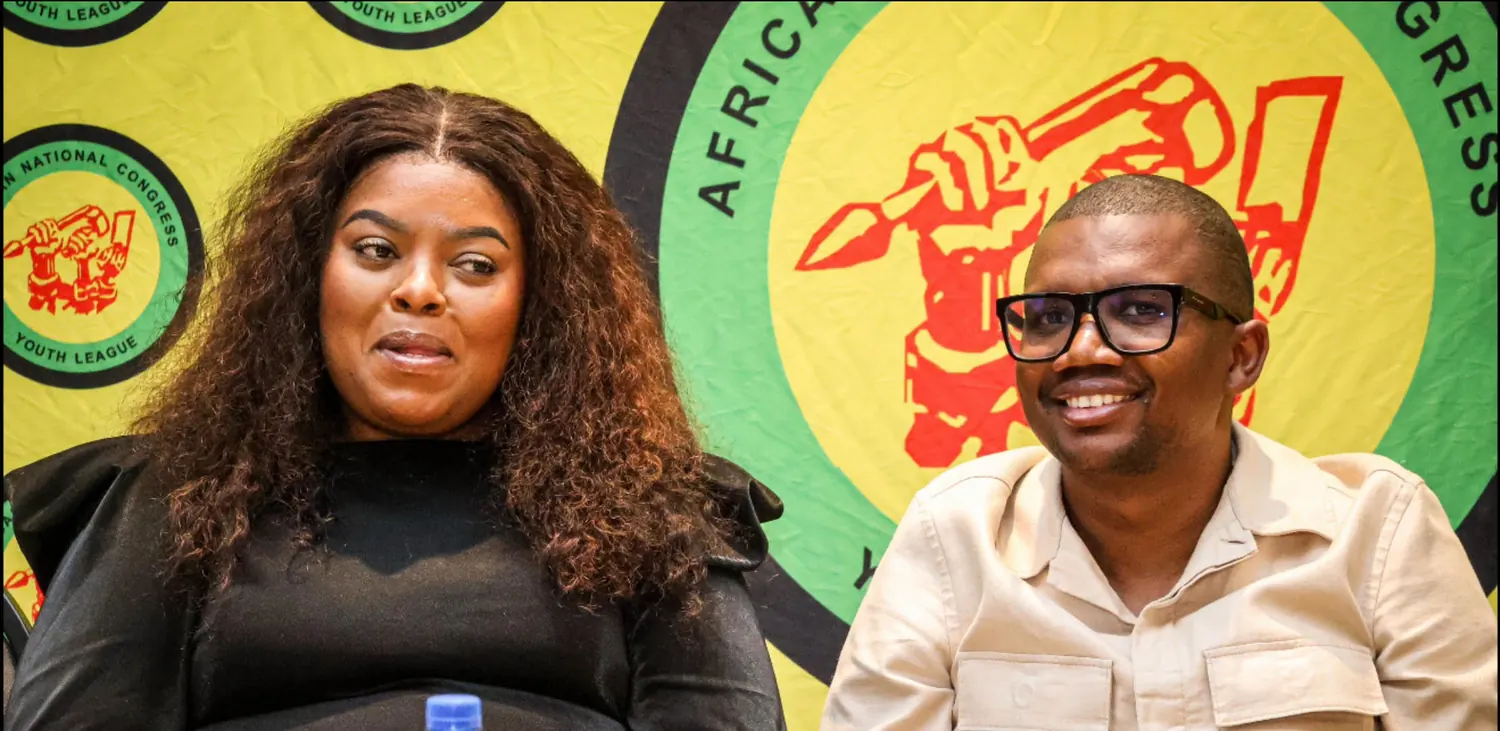
Malatji was elected at the 26th National Congress in 2023 and was re-elected unopposed at the 27th National Congress in December 2025.
Anniversary programmes, memorial lectures and political education continue to revisit the League’s founding and later generations.